

Sciatica Pain Relief in Frisco, CO
Sciatica can be one of the most uncomfortable and limiting types of back pain. It often begins in the lower back or hip and travels down the leg, sometimes causing sharp pain, tingling, numbness, or weakness.
At Backcountry Chiropractic, we focus on how the spine and nervous system work together. Because the sciatic nerve originates in the lower spine, stress or imbalance in this area can cause nerve and muscle pain in tissues of the glutes leg.
Our goal is to help restore healthy movement and reduce pressure or irritation so the body can function and heal more efficiently.
Supporting the nerves of the low back and legs
“I've been working with Dr. Danny for a couple of months for chronic low back and hip pain. We are making great progress! After many years of PT, these adjustments are helping so much more. I appreciate his willingness to listen, helped me past my fear of my back being "cracked" - BTW - his adjustments are amazing and do not hurt. Their focus on treating the root cause, not the symptoms is what I find most appealing! I highly recommend both Dr. Danny & Dr. Alex.” -Debbie N.

How Chiropractic Care May Help
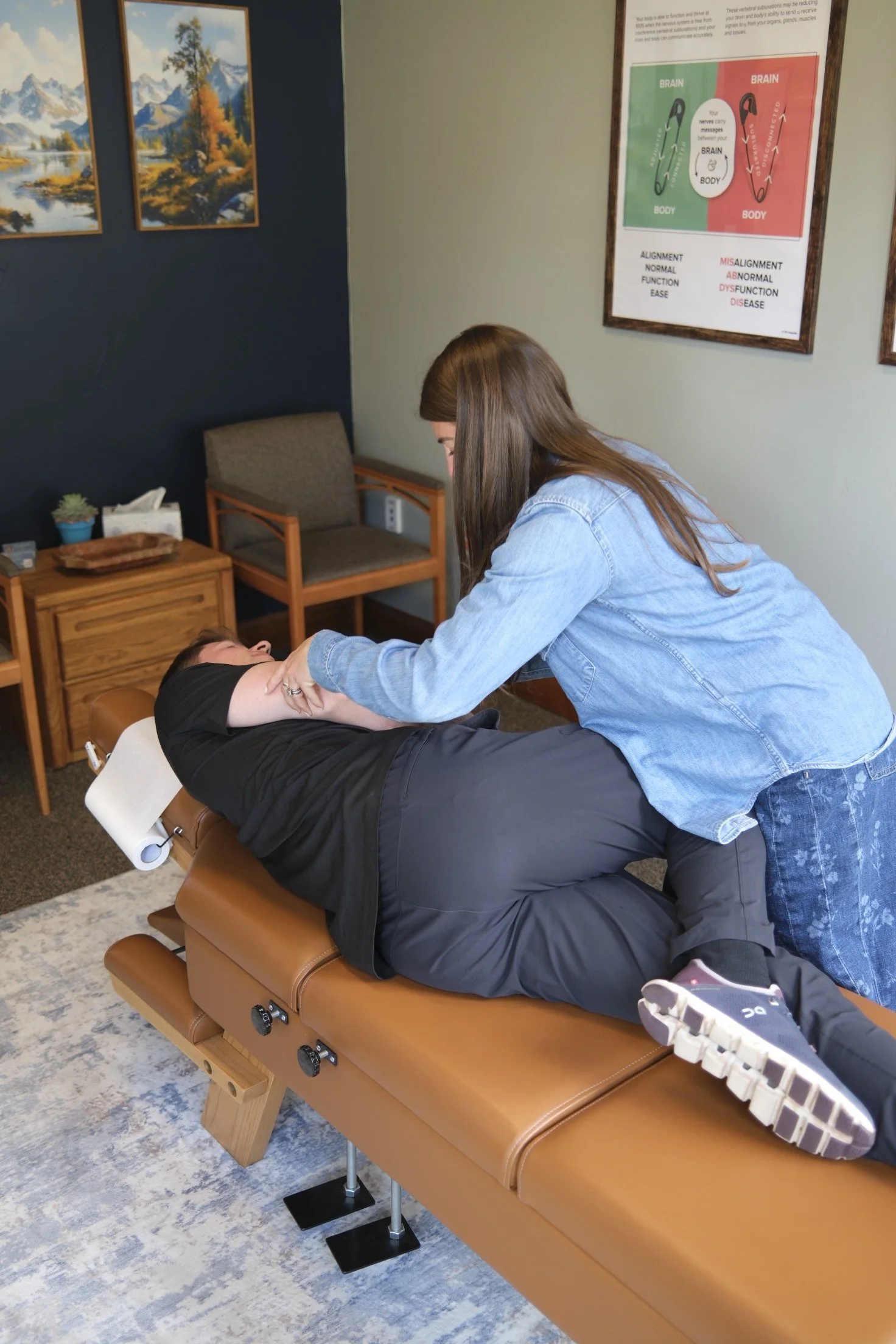
Chiropractic care focuses on restoring healthy movement in the spine and reducing stress on the nervous system. By improving spinal mobility and alignment, the body may be better able to relieve irritation affecting the sciatic nerve.
Care may help support:
• Reduced nerve irritation
• Improved spinal mobility
• Decreased muscle tension in the hips and low back
• Better posture and movement patterns
• Improved nervous system communication
As the spine and surrounding tissues function better, many patients experience improved comfort and mobility.
A Whole-Body Approach
Sciatic pain rarely comes from just one source. That’s why we evaluate the entire spine and nervous system, not just the lower back.
Learn more about the Patient Journey and what to Expect on your visits.
At Backcountry Chiropractic, your first visit includes a thorough evaluation, posture screening, and nervous system scans to create a personalized care plan. Follow-up visits focus on reviewing your results, tracking progress, and providing efficient, individualized chiropractic care designed to support long-term health and wellness.
What Is Sciatica?
Sciatica refers to irritation or compression of the Sciatic nerve, the largest nerve in the body. This nerve begins in the lower spine and travels through the hips and buttocks before running down the back of each leg.
When this nerve becomes irritated, it can lead to symptoms such as:
• Pain that travels from the lower back into the hip or leg
• Tingling or “pins and needles” sensations
• Numbness in the leg or foot
• Muscle weakness in the leg
• Pain that worsens with sitting, bending, or lifting
Sciatic symptoms can range from mild and occasional to persistent and disruptive.
What Can Cause Sciatic Nerve Irritation?
Sciatica often develops when there is stress or pressure on the nerves of the lower spine. This can occur for several reasons, including:
• Disc irritation or bulging in the lower spine
• Joint restrictions in the low back or pelvis
• Muscle tightness in the hips or lower back
• Prolonged sitting or poor posture
• Lifting injuries or repetitive movements
• Previous accidents or trauma
Because the nervous system connects the spine to the legs, even small changes in spinal movement can influence how the sciatic nerve functions.
FAQs
What does sciatic pain usually feel like?Sciatica often feels different from typical back pain. Many people describe it as:
• Sharp or shooting pain down the leg
• Burning or tingling sensations
• Numbness in the leg or foot
• Pain that starts in the lower back or hip and travels downward
• Discomfort that worsens when sitting or bending
Symptoms can range from mild and occasional to more persistent and limiting.
What causes sciatica?Sciatica typically develops when there is pressure or irritation affecting the nerves in the lower spine. Common contributors include:
• Disc irritation or bulging
• Joint restrictions in the low back
• Muscle tension in the hips or pelvis
• Prolonged sitting or poor posture
• Lifting injuries
• Previous accidents or trauma
Can chiropractic help with sciatica?Chiropractic care focuses on improving spinal movement and nervous system function. By restoring mobility in the lower spine, reducing tension in surrounding muscles and joints, and reducing inflammation around the sciatic nerve, care often helps reduce irritation affecting the sciatic nerve.
Do I need surgery if I have sciatica?Most cases of sciatica improve with conservative care and time. Surgery is usually only considered in severe or persistent cases. Many people choose chiropractic care as a non-invasive approach to help support recovery and improve spinal function.
Can sciatica come back?It can, especially if underlying movement patterns or spinal stress remain. Many people choose ongoing chiropractic care to help maintain spinal mobility, posture, and nervous system balance, which may reduce future flare-ups.