

Headache and Migraine Support in Frisco, CO
Headaches and migraines aren’t just a nuisance—they can disrupt your work, your activity, and your quality of life. While many people focus only on masking pain with medications, the root causes of headaches often involve tension, nerve communication, and spinal function.

Headaches and migraines can arise from a variety of factors, including:
• Muscle tension in the neck and shoulders
• Poor posture or spinal misalignment
• Stress or nervous system overload
• Hormonal changes
• Nutritional and lifestyle factors
• Previous injuries, like whiplash or concussions
Because the nervous system controls how your body senses and reacts to pain, even small restrictions in spinal movement—especially in the neck and upper spine—can influence headache frequency, intensity, and duration.
The Upper Neck and Headache Relationship
The upper cervical spine (the top two vertebrae just below the skull) plays a key role in brain-body communication. Misalignment or tension in this area can interfere with nervous system function, sometimes contributing to headaches or migraines.
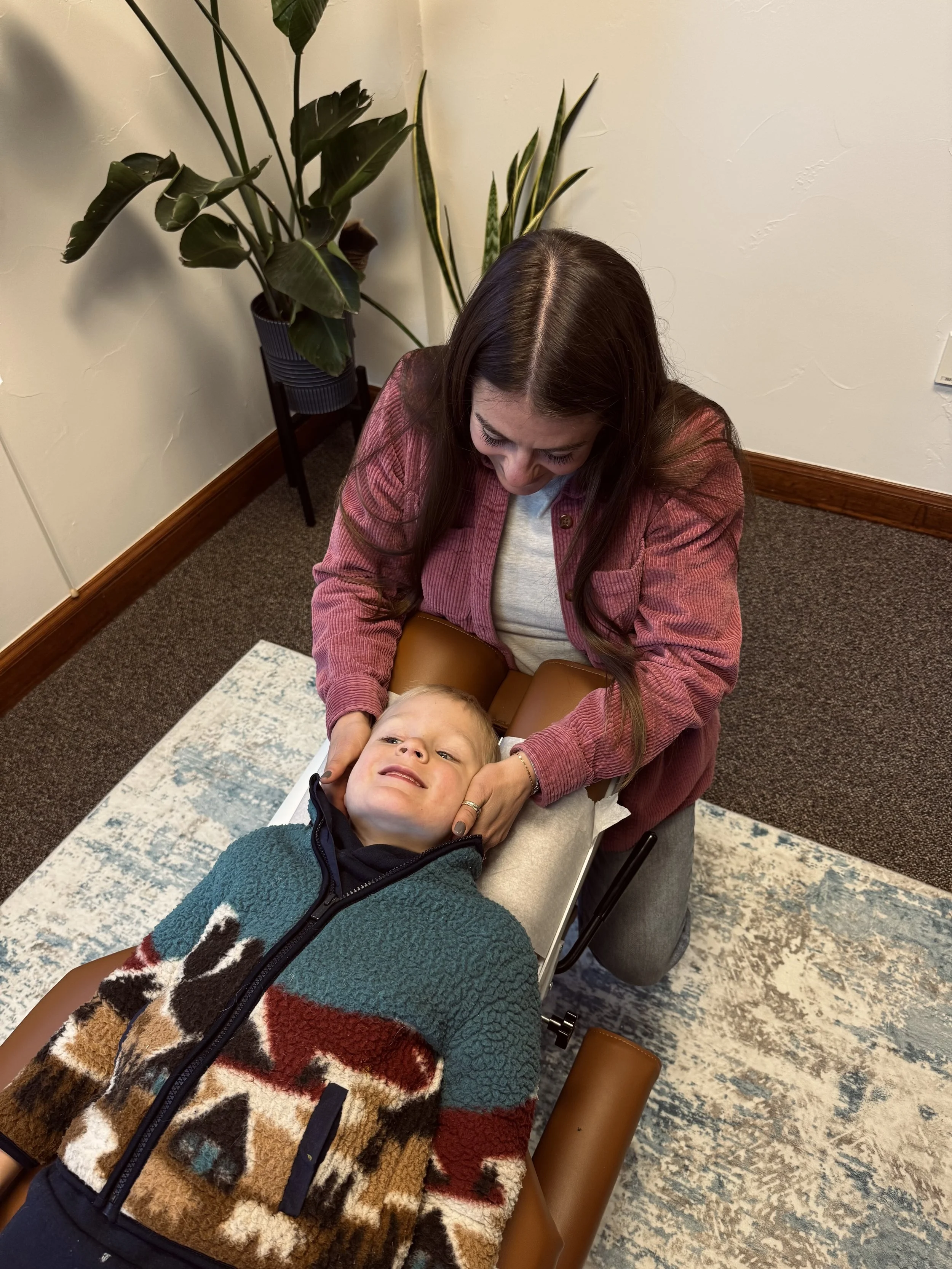
Gentle, precise chiropractic adjustments help restore proper movement in the upper neck, supporting clearer nervous system signaling and improved overall balance in the body.
Many patients report improvements in:
• Frequency and intensity of headaches of migraines
• Neck, shoulder, and jaw tension
• Posture
• Sleep and stress regulation
• Overall sense of well-being
Signs Your Headaches May Be Linked to Your Upper Neck
The upper part of your neck plays a critical role in how your brain and body communicate. The top two vertebrae—the Atlas (C1 vertebra) and Axis (C2 vertebra)—sit directly beneath the skull and surround the Brainstem, an area responsible for coordinating many essential body functions.
Because of this close relationship, tension or restricted movement in the upper neck can sometimes contribute to headache patterns. While not every headache originates here, many people discover their symptoms improve when upper neck function is addressed.
Common Signs Your Upper Neck May Be Involved
You may notice patterns like:
• Headaches that start at the base of the skull and move forward toward the forehead or eyes
• Frequent neck stiffness or tight shoulders alongside headaches
• Headaches triggered by long periods of sitting, computer work, or phone use
• Pain that worsens after poor sleep posture or long drives
• Headaches accompanied by dizziness or feeling “foggy”
• Sensitivity when turning your head or looking up/down
• A history of whiplash, falls, sports injuries, or concussions
These patterns may indicate that stress in the upper cervical spine is contributing to tension in the muscles, joints, and nerves surrounding the head and neck.
A Personalized Approach
Every person’s headaches are different. Our goal is to evaluate how your spine and nervous system are functioning and determine whether the upper neck may be contributing to your symptoms.
By addressing the root causes of tension and nervous system stress, many people experience fewer headaches, improved mobility, and better overall balance in their body.
Learn more about the Patient Journey and what to Expect on your visits.
At Backcountry Chiropractic, your first visit includes a thorough evaluation, posture screening, and nervous system scans to create a personalized care plan. Follow-up visits focus on reviewing your results, tracking progress, and providing efficient, individualized chiropractic care designed to support long-term health and wellness.
Frequently Asked Questions
-
We have helped many people with this. Many headaches and migraines are linked to tension, spinal misalignment, and nervous system stress. Chiropractic care focuses on restoring proper movement and alignment in the spine, especially the upper neck, which may help reduce the frequency and intensity of headaches.
-
The top two vertebrae of the neck, the Atlas (C1 vertebra) and Axis (C2 vertebra), sit directly under the brainstem, which controls communication between the brain and body. Misalignment or restricted movement in this area can contribute to tension, nerve irritation, and headache symptoms. Gentle upper cervical adjustments can help restore proper movement and nervous system signaling.
-
Most people find adjustments comfortable and relieving. Adjustments are precise, and tailored to each person’s body and condition, including for those prone to headaches or migraines. Some patients feel immediate relief, while others notice gradual improvement over multiple visits.
-
Every patient responds differently. Some people notice improved posture, tension relief, or fewer headaches within a few visits, while others see gradual changes as the body adapts and nervous system communication improves.