

Neck, Mid-Back, & Low Back Pain Support in Frisco, CO
Back pain is one of the most common reasons people seek chiropractic care. Whether it’s a stiff neck after a long workday, tension between the shoulder blades, or persistent low back discomfort, spinal stress can affect how you move, sleep, work, and enjoy your daily life.
At Backcountry Chiropractic, we look beyond the symptom of pain and focus on how the spine and nervous system are functioning together.
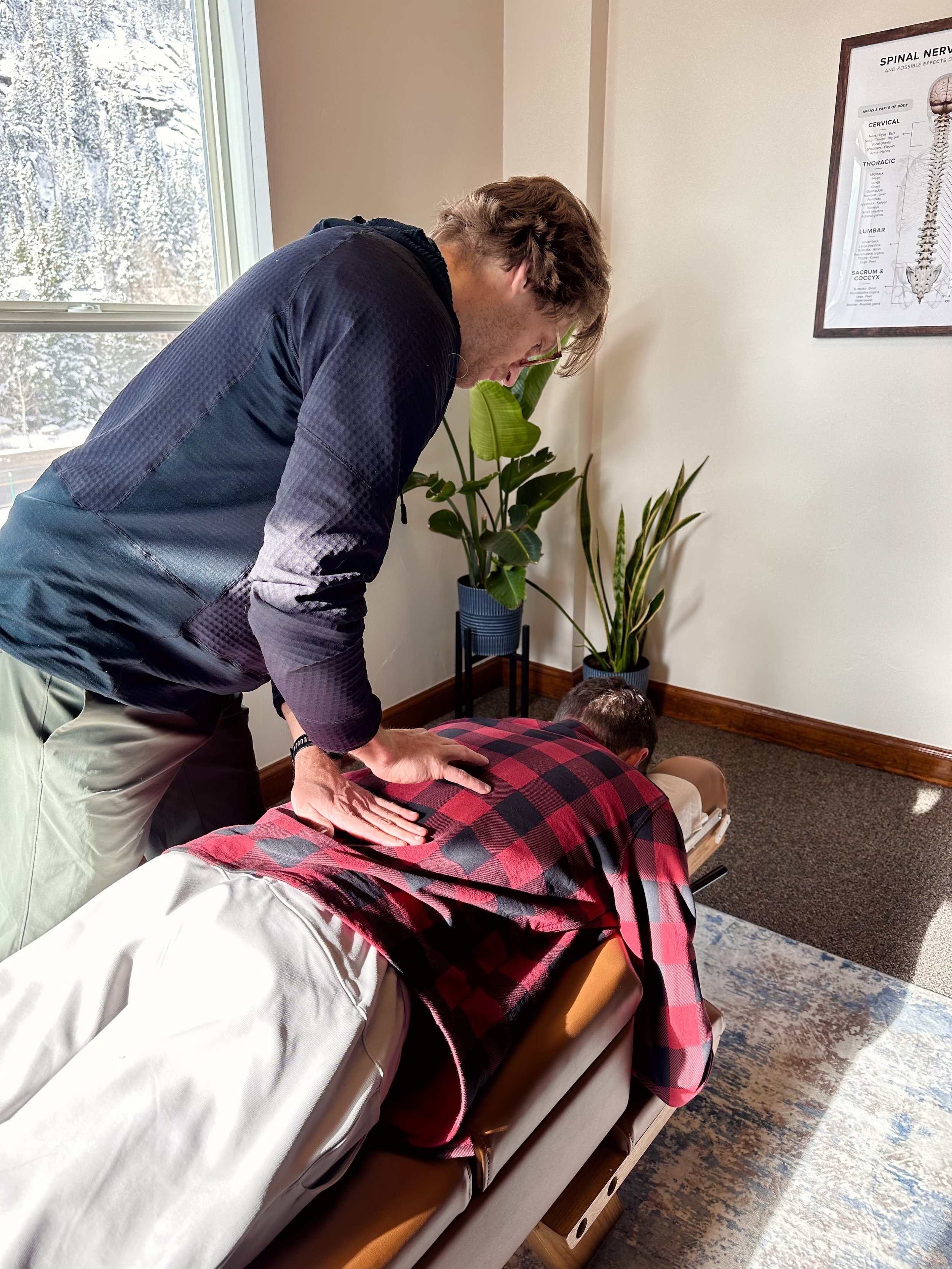
“Had one of those moments where I threw my back out and could barely move. Dr. Danny got me back on my feet way quicker than I expected. Just a really good guy, easy to talk to, and you can tell he actually cares.
We even brought our 2-month old in for an adjustment, and he was amazing with him. Super gentle and patient, which meant a lot to us.
Really thankful Dr Danny!” - Josh R.

A Whole-Body Approach
At Backcountry Chiropractic, we recognize that back pain rarely comes from just one source. Physical, emotional, and neurological stress can all influence how the spine and nervous system function.
Our approach focuses on:
• Improving spinal mobility
• Reducing muscle and joint tension
• Supporting healthy posture
• Helping the nervous system regulate stress more effectively
By addressing the spine and nervous system together, we help your body adapt better to both physical demands and life’s daily stresses.
Neck Pain
The neck supports the weight of the head and allows a wide range of movement. It’s also one of the first places people hold tension during periods of stress.
Neck discomfort is commonly associated with:
• Poor posture or “tech neck”
• Headaches starting at the base of the skull
• Long hours of desk work
• Emotional stress and muscle tension
• Whiplash or previous injuries
Supporting healthy movement in the neck can help reduce tension and improve how the nervous system regulates stress throughout the body.
Mid-Back Pain
The mid-back, or thoracic spine, connects the spine to the rib cage and plays an important role in posture and breathing.
When people feel overwhelmed or stressed, they often round their shoulders and tighten their upper back muscles, which can lead to discomfort between the shoulder blades.
Mid-back discomfort is often linked to:
• Poor posture or slouching
• Long hours of sitting
• Shallow breathing patterns during stress
• Tight muscles between the shoulder blades
• Repetitive lifting or physical work
Improving mobility in this region can help support both posture and healthy breathing patterns, which play an important role in calming the nervous system.
Low Back Pain
The lower back absorbs much of the body’s physical load, but it can also be affected by nervous system stress.
When the body remains in a prolonged stress response, muscles in the lower back and hips can tighten and fatigue more easily, contributing to discomfort and reduced mobility.
Common contributors to low back pain include:
• Lifting or twisting movements
• Prolonged sitting
• Core weakness or fatigue
• Disc or joint irritation
• Stress-related muscle tension
Supporting healthy spinal movement can help the body regain balance and resilience.
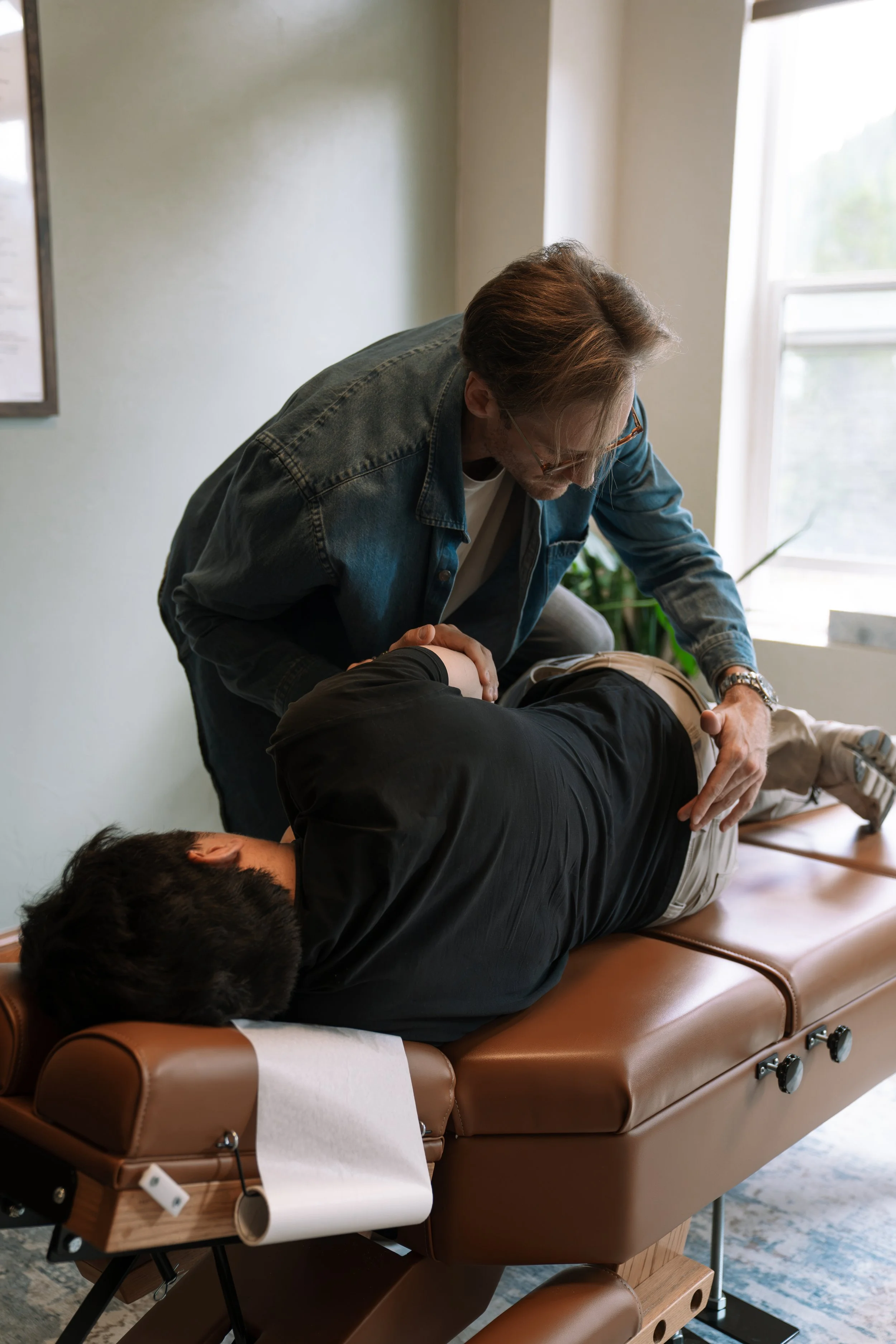
Understanding Spinal Stress
Your spine protects the nervous system—the communication network between your brain and body. Because of this connection, the spine responds not only to physical stress, but also to mental and emotional stress.
Many people think of back pain as purely physical, but stress from daily life can also create tension patterns in the body. When the nervous system is under prolonged stress, muscles often tighten, posture changes, and the body can remain in a state of heightened tension.
Over time, spinal stress can come from many sources, including:
Physical stress
• Poor posture or long hours at a desk
• Repetitive movements or lifting
• Sports and outdoor activities
• Injuries such as falls or accidents
Emotional and mental stress
• Work pressure or demanding schedules
• Lack of sleep or chronic fatigue
• Life transitions or emotional strain
• Long periods of feeling “on edge” or overwhelmed
Because the nervous system processes all of these stressors, they can show up physically in the body—often in the neck, shoulders, and low back.
Learn more about the Patient Journey and what to Expect on your visits.
At Backcountry Chiropractic, your first visit includes a thorough evaluation, posture screening, and nervous system scans to create a personalized care plan. Follow-up visits focus on reviewing your results, tracking progress, and providing efficient, individualized chiropractic care designed to support long-term health and wellness.
FAQs
What causes most back pain?
1
Back pain can develop from a combination of physical and emotional stress on the body. Common contributors include:
• Poor posture or long hours sitting
• Lifting, twisting, or repetitive movement
• Sports or outdoor activities
• Previous injuries or accidents
• Muscle tension from chronic stress
• Long periods of feeling overwhelmed, fatigued, and stressed
Because the nervous system responds to both physical and emotional stress, tension can often accumulate in the spine over time.
Can you help my back pain?
2
Chiropractic care focuses on improving spinal movement and nervous system communication, which can help reduce tension, improve mobility, and support the body’s natural healing process. Many people seek care for neck pain, mid-back tension, and low back discomfort and our doctors have helped thousands of people with it.
Why does stress often cause neck or back pain?
3
When your body experiences stress, it activates a protective response that can cause muscles to tighten—especially in the neck, shoulders, and lower back. If the nervous system stays in this heightened state for long periods, the muscles and joints of the spine can remain tense, which may contribute to discomfort and stiffness. Adjusting the spine actually gives the body a sense of saftey; in turn, muscles can relax.
Can chiropractic help prevent future back pain?
4
Supporting the spine and nervous system regularly can help improve posture, mobility, and resilience, which may reduce the likelihood of recurring pain episodes.