

Concussion Support in Frisco, CO
Helping the Body Recover and Rebalance
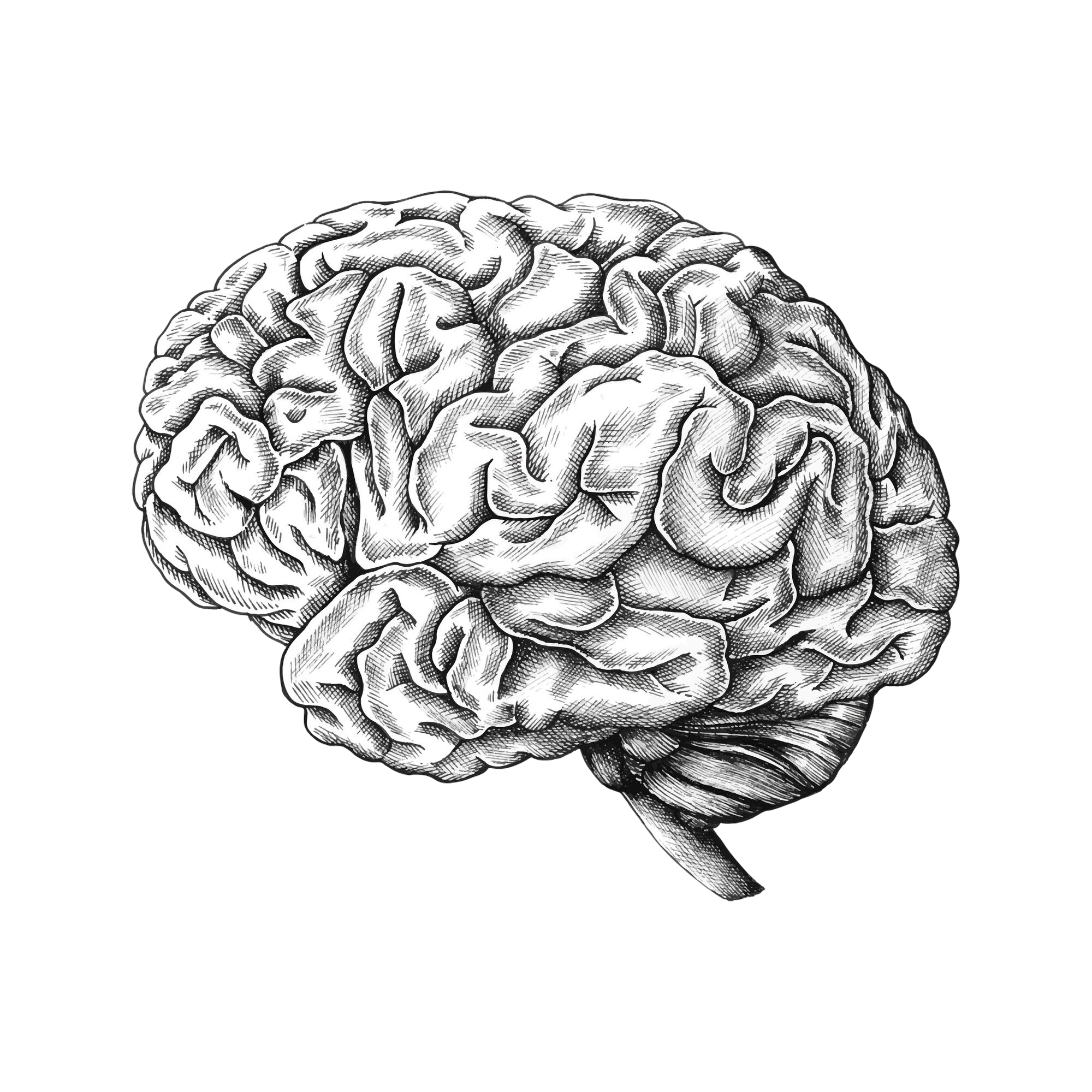
A concussion can affect much more than just the head. Because the brain and nervous system control nearly every function in the body, even a mild concussion can lead to symptoms that affect balance, focus, sleep, mood, and overall well-being.
At Backcountry Chiropractic, our approach focuses on supporting the nervous system and spinal function, which play an important role in how the body heals and adapts after an injury.
Our goal is to help support your body’s natural recovery process and improve how the brain and body communicate during the healing journey.
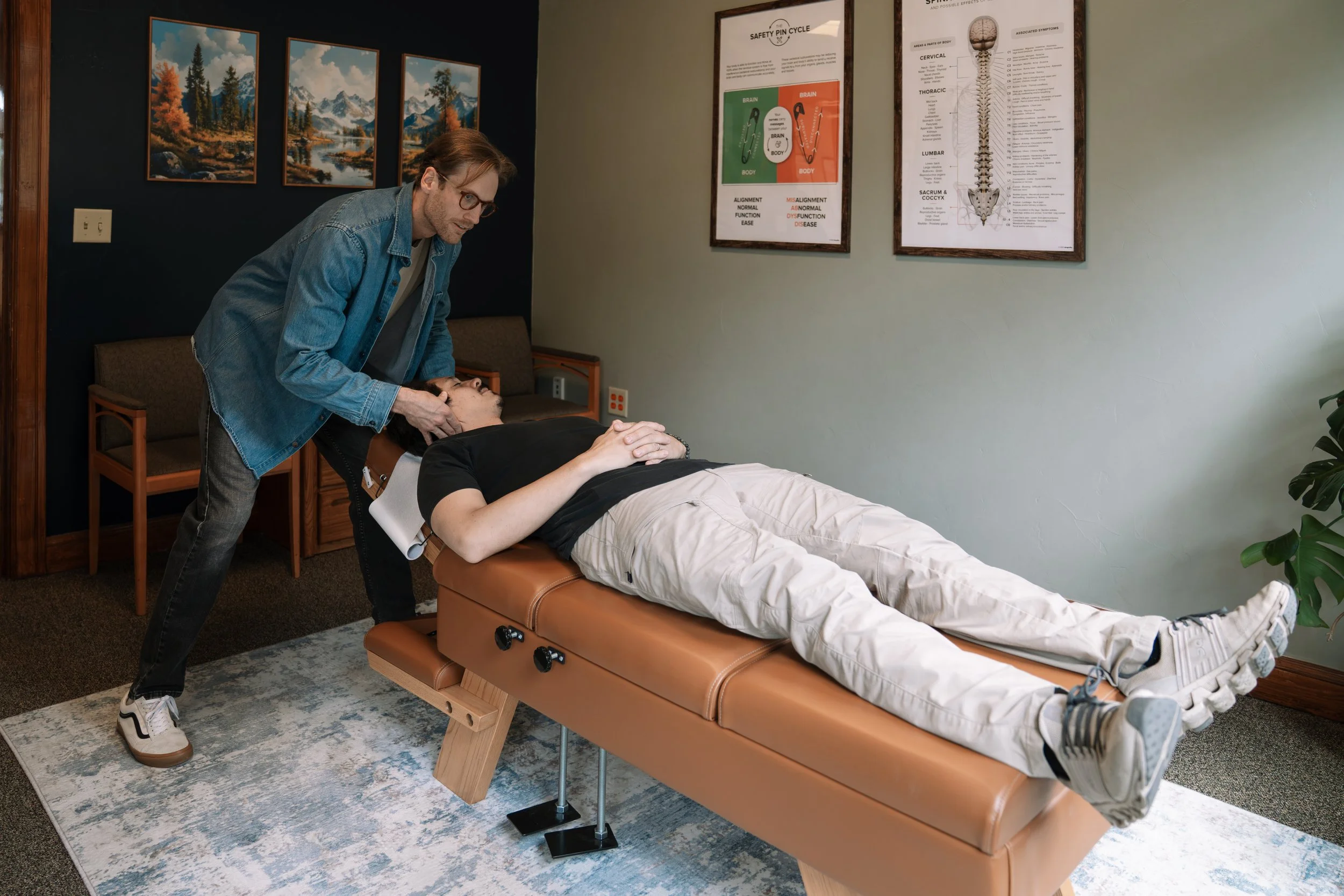
“Dr. Alex and Dr. Danny are AMAZING! The kindest humans and incredibly knowledgeable in their field. After experiencing many concussions, I’m very grateful for their support in navigating my long-term recovery. The evaluation is extremely thorough and informative. I really appreciate that they listen to what the body needs rather than taking a one size fits all approach. Highly recommend!!” - Lindsey M.

Understanding Concussions
A concussion is a form of mild traumatic brain injury that occurs when the brain experiences a sudden movement or impact. This can happen during sports, falls, car accidents, or other physical trauma.
While every concussion is different, common symptoms may include:
• Headaches
• Dizziness or balance issues
• Brain fog or difficulty concentrating
• Sensitivity to light or sound
• Neck pain or stiffness
• Fatigue
• Sleep disturbances
• Irritability, depression, anxiety or mood changes
Many of these symptoms are connected not only to the brain, but also to how the neck and nervous system are functioning after the injury.
The Role of the Neck
The neck plays a significant role in concussion recovery. Trauma that causes a concussion almost always affects the cervical spine, which can contribute to symptoms such as headaches, dizziness, and difficulty concentrating.
The upper portion of the neck—often called the upper cervical spine—plays a unique and important role in the relationship between the brain and the body. The top two vertebrae in the neck, the Atlas (C1 vertebra) and Axis (C2 vertebra), sit directly beneath the base of the skull and surround one of the most critical areas of the nervous system: the Brainstem.
The brainstem acts as a central communication hub between the brain and the rest of the body. It helps regulate many automatic functions such as balance, coordination, breathing, heart rate, and the body’s response to stress.
Because of this close relationship, the alignment and movement of the upper neck can have a significant influence on how your body can heal from the brain injury.
A Supportive Approach to Recovery
Concussion recovery takes time, and every person’s experience is different. We take time to understand your injury history, symptoms, and goals so we can support your recovery in a thoughtful and individualized way.
Our focus is on helping your body:
• Reduce physical tension in the neck and spine
• Support nervous system balance
• Gradually return to normal activities
When needed, we also encourage coordination with other healthcare providers to ensure you receive comprehensive support during recovery.
Care for Active Lifestyles
In mountain communities like ours, concussions can happen during activities such as skiing, snowboarding, mountain biking, and other outdoor sports. Many athletes seek chiropractic care to help support their recovery and return to the activities they love.
Our goal is to help you feel confident and supported as your body heals.
Our Goal
Recovery after a concussion isn’t just about waiting for symptoms to pass—it’s about helping your body regain balance, stability, and clear communication between the brain and body.
At Backcountry Chiropractic, we know your body has an incredible capacity to heal, even after injuries that impact the brain. Many providers still operate under the misconception that brain function cannot improve after a concussion—but with the right support, the nervous system can adapt, recover, and regain function over time.
We’re here to support that process every step of the way.
Learn more about the Patient Journey and what to Expect on your visits.
At Backcountry Chiropractic, your first visit includes a thorough evaluation, posture screening, and nervous system scans to create a personalized care plan. Follow-up visits focus on reviewing your results, tracking progress, and providing efficient, individualized chiropractic care designed to support long-term health and wellness.
Frequently Asked Questions
Still have questions? Take a look at the FAQ or reach out anytime. If you’re feeling ready, go ahead and apply.
-
Yes. While chiropractic care does not replace medical treatment, it can support the nervous system and spinal function, which play a key role in recovery. By restoring healthy alignment and mobility—especially in the upper neck—the brain and body can communicate more efficiently, helping your body adapt and heal.
-
The top two vertebrae in the neck, the Atlas (C1 vertebra) and Axis (C2 vertebra), sit directly beneath the brainstem, which is the central hub for communication between the brain and body. Trauma to this area can interfere with signal flow, affecting balance, focus, sleep, and coordination. Supporting proper upper neck alignment can improve nervous system function and help the body recover more efficiently.
-
• Headaches and neck pain
• Dizziness or balance challenges
• Brain fog and difficulty concentrating
• Sleep disturbances
• Fatigue
• Sensitivity to light or sound
• Muscle tension and postural strain -
Absolutely. At Backcountry Chiropractic, we know the brain and nervous system can adapt and recover, even when other providers may suggest healing is limited. By supporting the spine, nervous system, and upper neck alignment, we aim to maximize your body’s natural ability to heal and restore function.